McQueen Sustainability

Approach
At McQueen, our approach to sustainability is embedded in our working culture and our operations, creating timeless pieces of the highest quality.
We are committed to creating collections using both the finest and lowest impact materials.
Recognising the complex web of supply chains and sustainability, it is a necessity that we integrate processes and efforts across of our business activities; from design and material choices, packaging and shipping, to our digital footprint and store and office operations.
It is our responsibility to take a considered approach to our actions as a business and communicate about our efforts. We understand that no approach is perfect and that it is a matter of learning, developing, and progressing.
Targets
We are committed to and continue to work towards the ambitious targets set by Kering.
We have been working to ensure the sourcing of our key raw materials is 100% traceable & aligned to the Kering Standards for Raw Materials and Manufacturing Processes by 2025.
We are also committed to reducing our absolute GHG emissions by 40% by 2035.
Packaging
Over the last few years, we have worked to eliminate single use plastic from our packaging.
Our new shopping bags are made from 100% paper, with a minimum of 40% recycled paper from post-consumer waste and the remaining percentage FSC certified. The handles are also made from 100% paper, meaning the entire bag can be recycled together in one bin.
Our shoe and gift boxes are made from 100% paper, with a minimum of 40% recycled paper from post-consumer waste and the remaining percentage FSC certified.
We have developed a water-resistant rain-cover for our shopping bags, made from Paptic paper, which is 100% recyclable with normal paper collections.
Stores
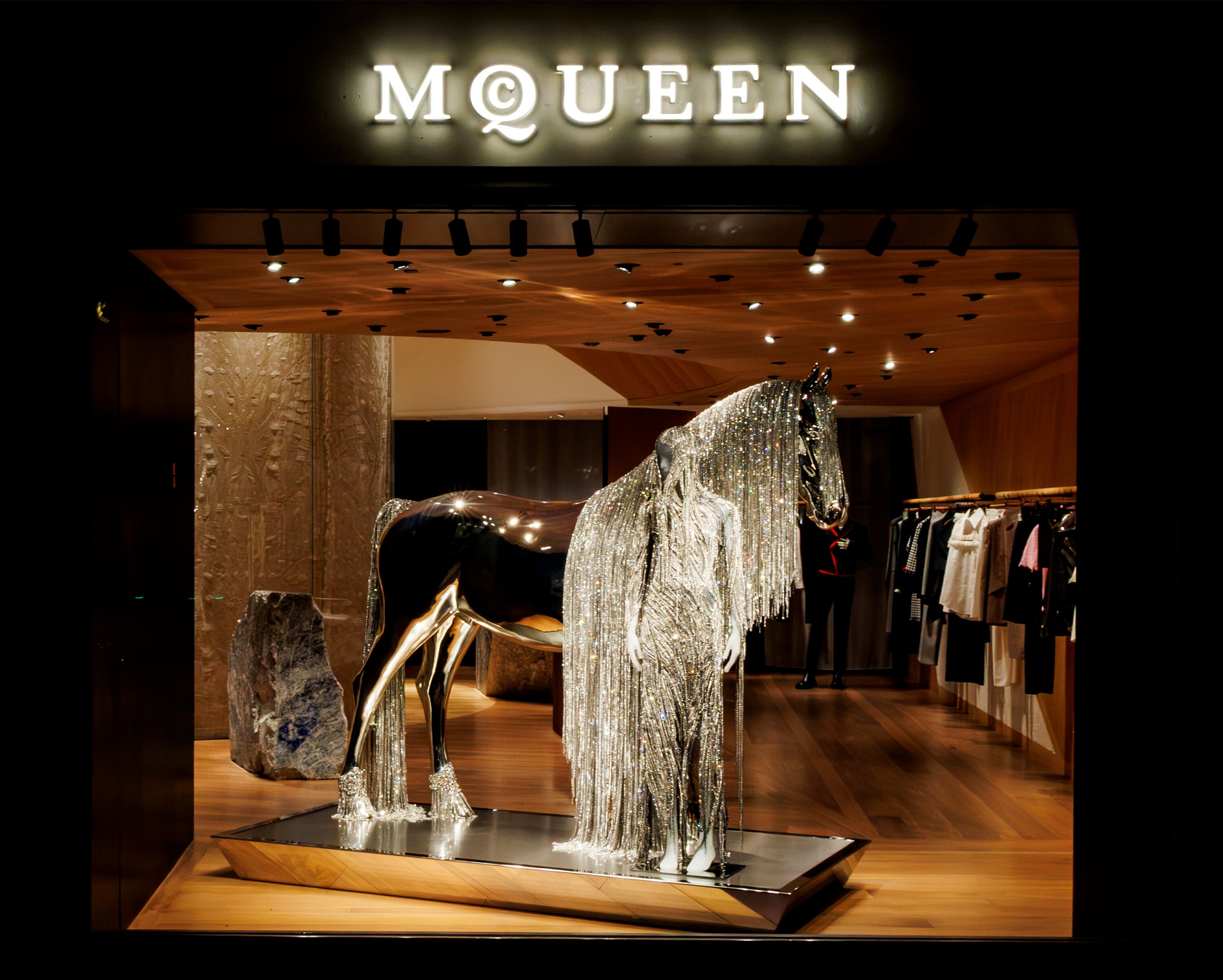
All our directly operated stores opened since 2019 have been certified to a minimum of Gold Standard by LEED, which we will continue to adhere to for any new flagship stores in upcoming years.
Raw Materials
Raw materials account for around 70% of our overall environmental emissions. Hence, it is crucial that we favour lower impact materials certified to strict social and environmental criteria. As described on the relevant product pages, the preferred materials we are currently using are as follows:


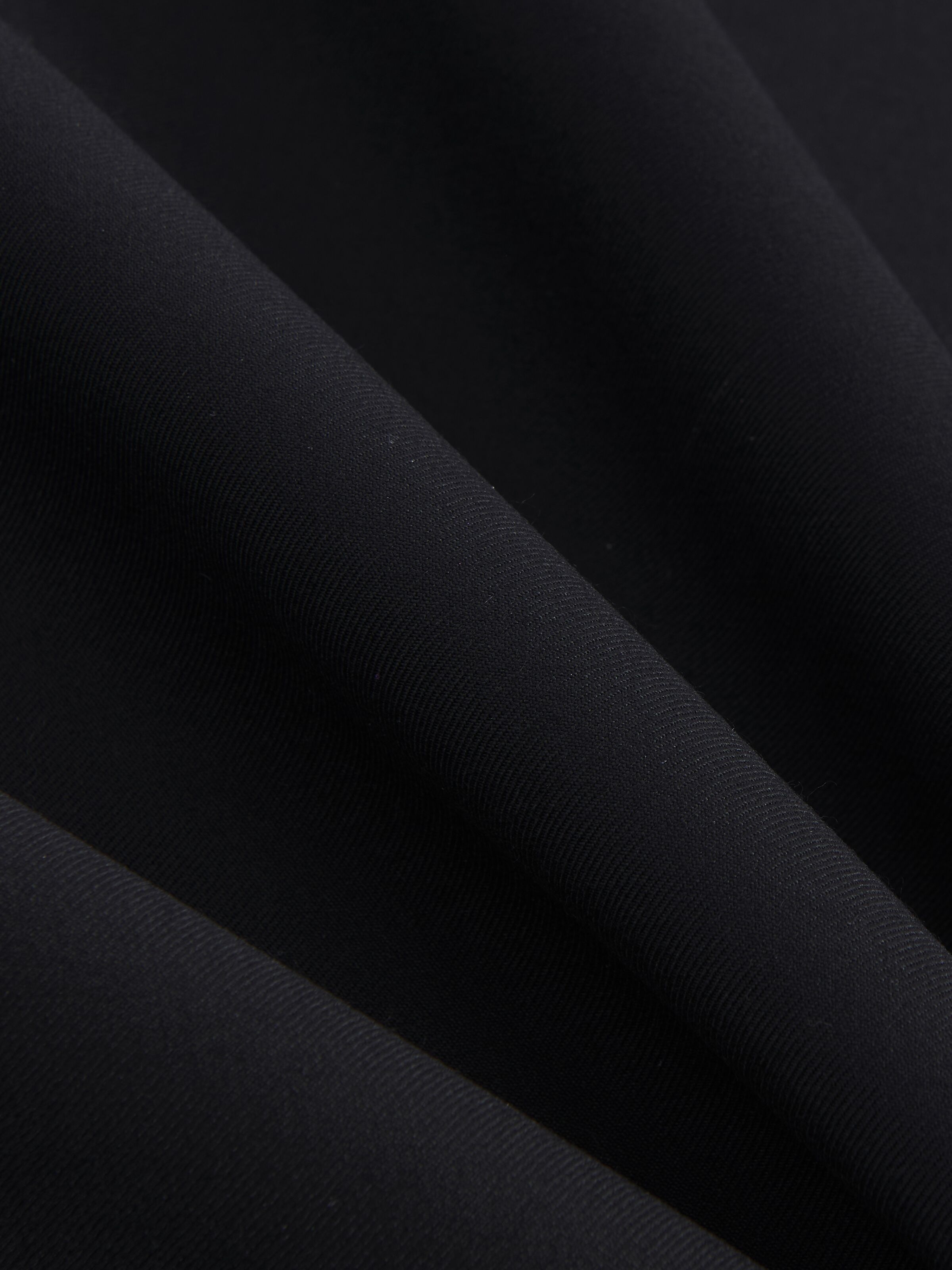
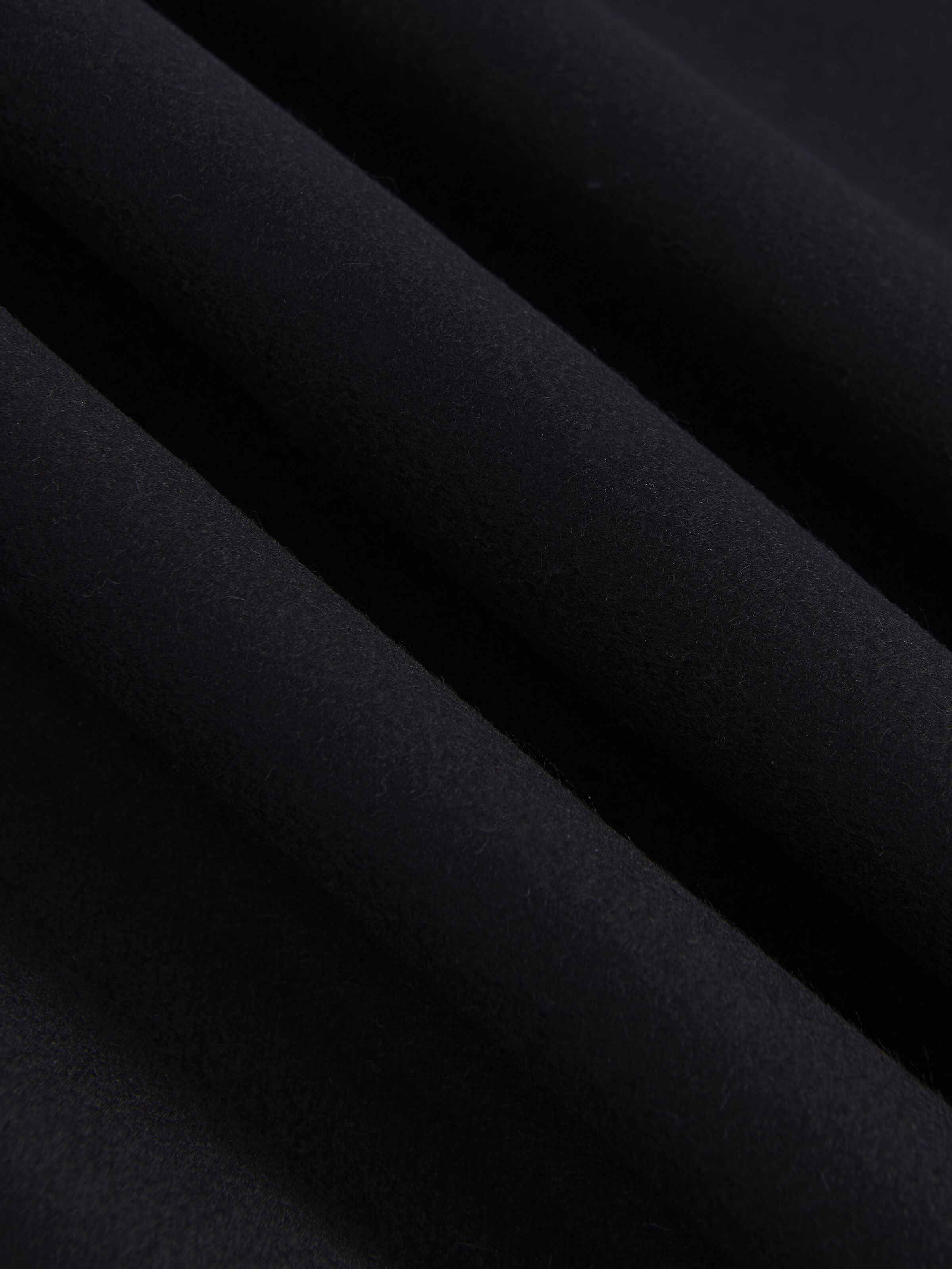
We align with Kering Standards, who collaborate with the Savory Institute to promote and support the regenerative production of raw materials and uses the institute's methodology (Ecological Outcome Verification).